

As a supplier of Hydraulic Mobile Straight Boom Cranes, ensuring the safety and stability of our equipment is of utmost importance. One critical aspect of crane safety is the anti - slip measures for the outriggers. In this blog, we will explore various anti - slip measures for the outriggers of hydraulic mobile straight boom cranes.
Understanding the Importance of Anti - Slip Measures for Outriggers
Outriggers play a crucial role in providing stability to the crane during operation. When a crane is lifting heavy loads, the outriggers distribute the weight of the crane and the load evenly over a larger area, preventing the crane from tipping over. However, if the outriggers slip, it can lead to a dangerous situation, including crane collapse and potential injury to operators and bystanders. Therefore, implementing effective anti - slip measures is essential.
Types of Anti - Slip Surfaces
Rubber Mats
Rubber mats are a commonly used anti - slip solution for crane outriggers. These mats are made of high - quality rubber materials that provide excellent grip on various surfaces. They are available in different sizes and thicknesses to accommodate different crane models and ground conditions. Rubber mats are easy to install and remove, making them a convenient option for mobile cranes. For example, when operating on a smooth concrete surface, a rubber mat can significantly increase the friction between the outrigger and the ground, reducing the risk of slippage.
Steel Plates with Textured Surfaces
Steel plates with textured surfaces are another effective anti - slip measure. The textured surface of the steel plates provides enhanced grip, even on wet or slippery ground. These plates are durable and can withstand heavy loads, making them suitable for long - term use. They are often used in construction sites where the ground conditions may be uneven or prone to slippage. When using steel plates, it is important to ensure that they are properly positioned and secured to the outriggers to prevent movement during crane operation.
Ground Preparation
Surface Cleaning
Before setting up the crane, it is essential to clean the ground surface where the outriggers will be placed. Remove any debris, dirt, or oil that may reduce the friction between the outrigger and the ground. A clean surface will provide better contact and increase the effectiveness of the anti - slip measures. For instance, if there is oil on the ground, it can act as a lubricant and cause the outriggers to slip. By cleaning the surface, we can eliminate this risk.
Leveling the Ground
The ground should be leveled to ensure that the outriggers are evenly loaded. Uneven ground can cause the outriggers to bear uneven loads, increasing the risk of slippage. Use a level to check the ground and make any necessary adjustments. If the ground is not level, shims can be used to level the outriggers. This will help distribute the weight evenly and prevent the crane from tilting.
Outrigger Design and Maintenance
Anti - Slip Foot Pads
Some cranes are equipped with anti - slip foot pads on the outriggers. These foot pads are designed to increase the contact area between the outrigger and the ground, providing better stability. The foot pads are often made of materials with high friction coefficients, such as rubber or textured metal. They can be easily replaced if they become worn or damaged, ensuring continuous anti - slip performance.
Regular Inspection and Maintenance
Regular inspection and maintenance of the outriggers are crucial for ensuring their anti - slip performance. Check the outriggers for any signs of wear, damage, or corrosion. Inspect the anti - slip surfaces, such as rubber mats or steel plates, for any signs of deterioration. Replace any worn or damaged components promptly. Additionally, lubricate the outrigger mechanisms to ensure smooth operation and prevent rusting.
Case Studies
Let's take a look at some real - world examples of how anti - slip measures have been implemented successfully. In a large construction project, a hydraulic mobile straight boom crane was used to lift heavy building materials. The ground at the construction site was wet and slippery due to recent rainfall. To prevent the outriggers from slipping, the crane operator used rubber mats under each outrigger. The rubber mats provided excellent grip, allowing the crane to operate safely and efficiently. As a result, the project was completed on time without any safety incidents.
Another case involved a crane operating on an uneven ground surface. The crane was equipped with steel plates with textured surfaces on the outriggers. The textured surface of the steel plates provided enhanced grip, even on the uneven ground. This ensured that the crane remained stable during the lifting operation, reducing the risk of slippage and potential accidents.
Our Product Range
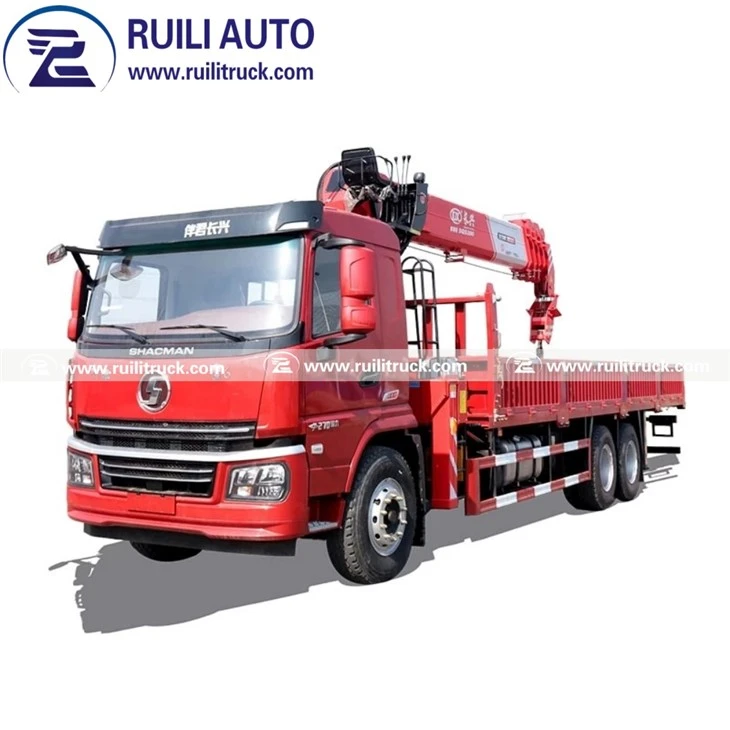
At our company, we offer a wide range of hydraulic mobile straight boom cranes, including the Straight Telescopic Boom Crane Truck Heavy, SHACMAN 21 Meter Telescopic Boom Truck Mounted Crane, and New Or Used 4*2 5 Ton Isuzu Hydraulic Truck Mounted Crane. All our cranes are designed with safety in mind and are equipped with effective anti - slip measures for the outriggers.
Conclusion
Anti - slip measures for the outriggers of hydraulic mobile straight boom cranes are essential for ensuring the safety and stability of crane operations. By using anti - slip surfaces, preparing the ground properly, and maintaining the outriggers, we can significantly reduce the risk of slippage and potential accidents. If you are in the market for a hydraulic mobile straight boom crane, we invite you to contact us for more information and to discuss your specific requirements. Our team of experts is ready to assist you in selecting the right crane for your needs.
References
- "Crane Safety Manual", published by the International Crane Operators Association.
- "Hydraulic Mobile Crane Design and Operation", a technical report from a leading crane manufacturer.